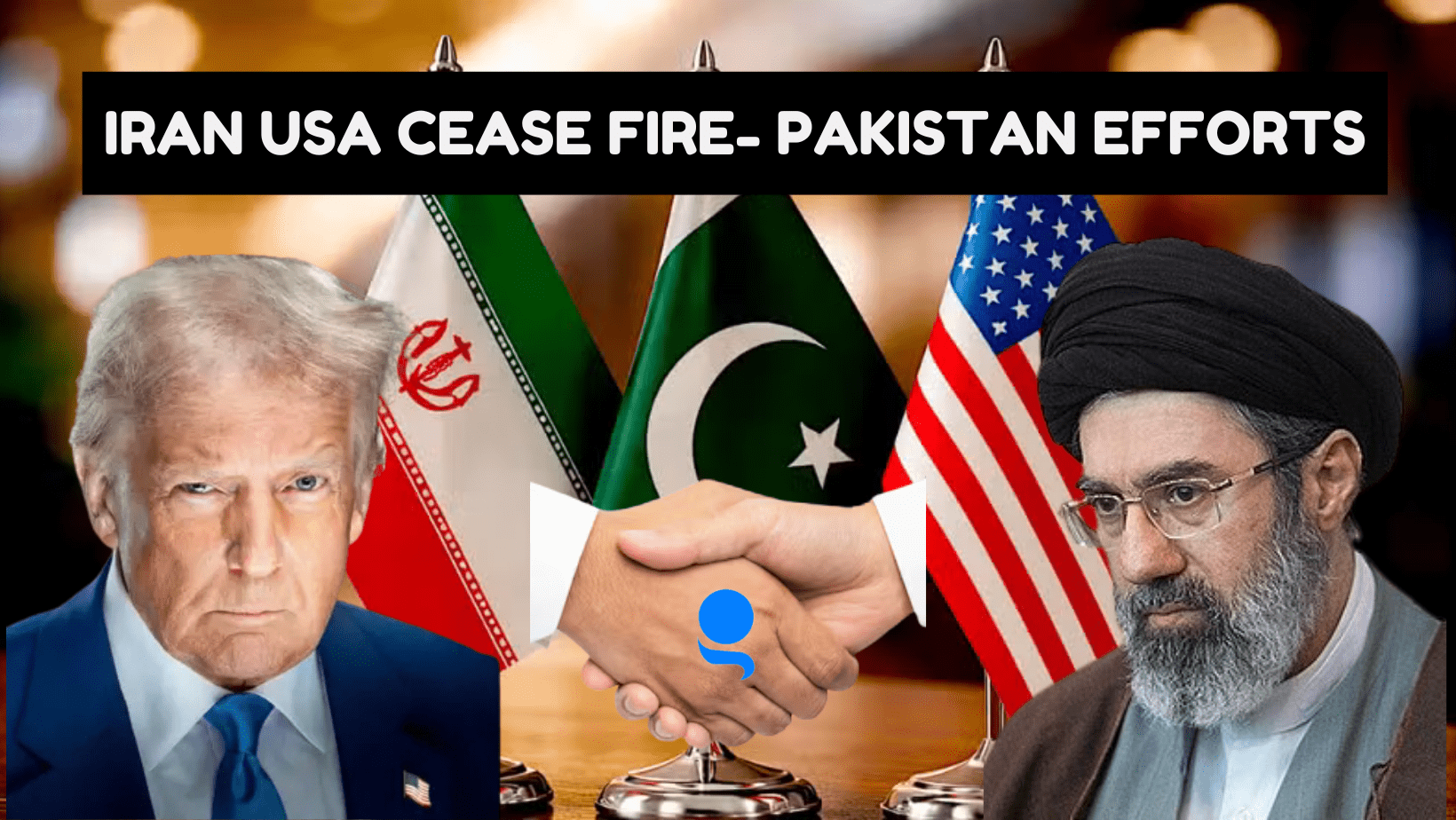
The announcement of the Iran–US ceasefire 2026 has brought a wave of relief across the world. After weeks of rising tensions, military threats, and fears of a wider Middle East war, both countries agreed to a two-week ceasefire. This development is being seen as a major diplomatic breakthrough—one that may prevent a large-scale regional conflict.
A key highlight of this agreement is the critical role played by Pakistan, especially under the leadership of Prime Minister Shehbaz Sharif. Through quiet diplomacy and backchannel communication, Pakistan helped bridge the gap between two long-standing adversaries: the United States and Iran.
Background: Rising Iran–US Tensions in 2026
The Iran–US conflict has a long and complicated history, but tensions escalated significantly in 2026. Several developments contributed to the crisis:
- Military activities in the Middle East increased
- Regional instability involving Gulf countries grew
- Concerns over global oil supply intensified
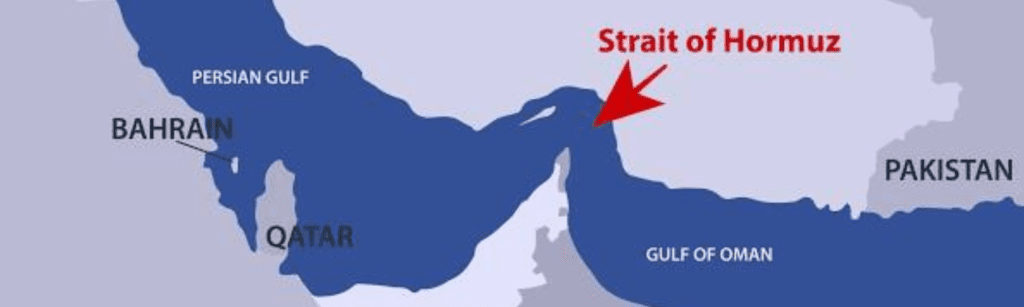
- Threats to the Strait of Hormuz created economic uncertainty
The situation became even more volatile when indirect confrontations and regional attacks raised fears of a full-scale war. The international community was deeply concerned, urging both nations to step back and choose diplomacy.
🇵🇰 Pakistan’s Strategic Role in Iran–US Ceasefire
Pakistan emerged as a key mediator in the Iran US ceasefire talks, using its diplomatic influence and balanced relationships with both sides.
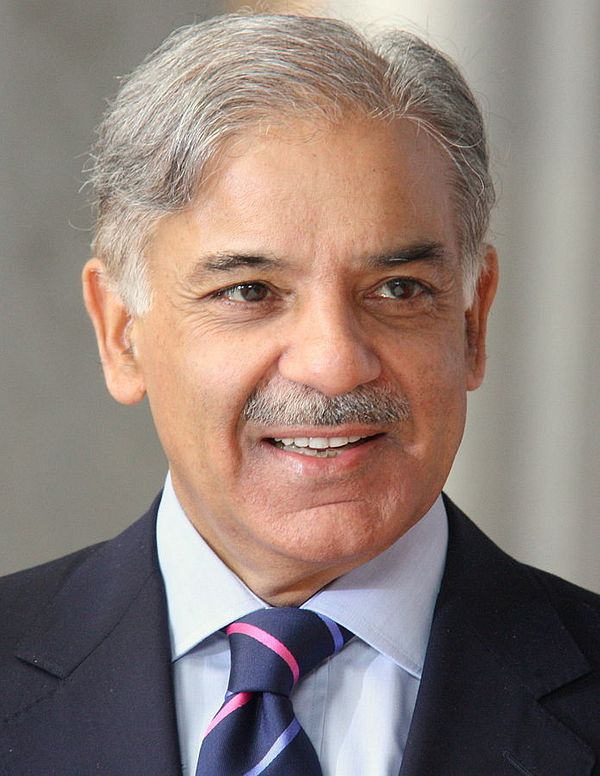
Prime Minister Shehbaz Sharif played a central role in pushing for peace. In the final hours before the ceasefire agreement, he emphasized that diplomatic efforts were progressing and encouraged both sides to avoid further escalation.
Key Contributions by Pakistan:
- Facilitated backchannel communication between Iran and the US
- Maintained neutrality while encouraging peace
- Proposed extending negotiations beyond the ceasefire
- Advocated for stability in the Strait of Hormuz
Pakistan’s efforts were conducted by a small and highly confidential diplomatic team, ensuring sensitive discussions remained secure and effective.
🇺🇸 The United States Leadership and Role
The United States, under President Donald Trump, played a decisive role in agreeing to the temporary ceasefire. Despite strong rhetoric in previous weeks, the US administration showed willingness to de-escalate tensions.
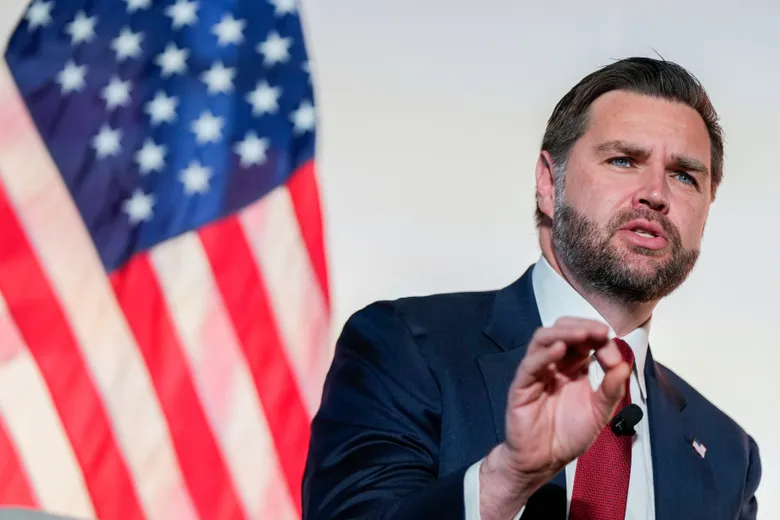
Vice President J. D. Vance also supported diplomatic engagement, emphasizing the need to avoid a prolonged conflict in the Middle East.
The US leadership recognized that continued escalation could:
- Impact global oil markets
- Destabilize allied countries in the region
- Lead to unintended military consequences
This realization contributed to the decision to accept a temporary ceasefire agreement.
🇮🇷 Iran’s Leadership and Response
On the Iranian side, the leadership also played a crucial role in moving toward peace.
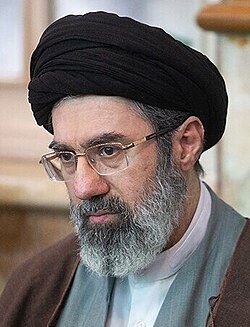
The Supreme Leader of Iran, Mojtaba khamenei, remains the highest authority in the country and has a significant influence on foreign policy decisions. While maintaining a firm stance on national sovereignty, the leadership allowed room for diplomatic engagement.
Iran’s Foreign Minister Seyed Abbas Araghchi actively involved in diplomatic communication, including indirect talks facilitated by Pakistan.
Iran’s position focused on:
- Protecting national interests
- Responding to regional threats
- Avoiding a prolonged conflict
The willingness to agree to a ceasefire indicates a strategic pause rather than a complete resolution.
Why Pakistan Was Trusted as a Mediator
Pakistan’s role in the Iran US peace talks was not accidental. It is one of the few countries that maintains strong ties with both sides.
Pakistan–Iran Relations
- Shared border and regional cooperation
- Strong cultural and religious ties
- Long-standing diplomatic engagement
Pakistan–US Relations
- Strategic military and economic cooperation
- High-level diplomatic channels
- Ongoing communication between leadership
This unique position allowed Pakistan to act as a trusted intermediary, helping reduce misunderstandings and build a path toward negotiation.
Global Reaction to the Iran–US Ceasefire
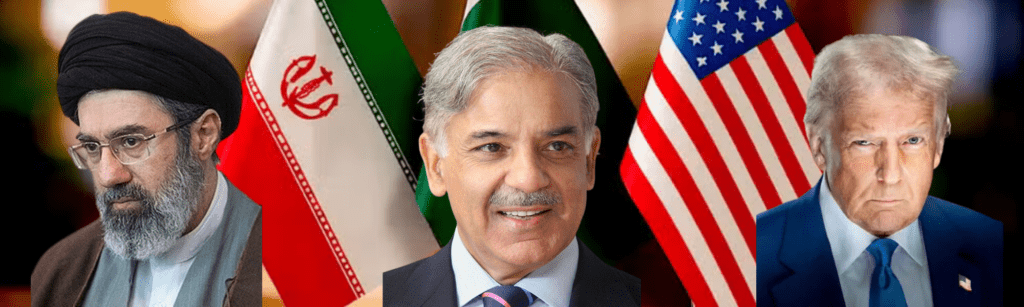
The global response to the Iran US ceasefire 2026 has been overwhelmingly positive.
Countries around the world:
- Welcomed the two-week ceasefire agreement
- Urged both sides to commit fully
- Called for long-term peace negotiations
International analysts described this as a “critical window of opportunity” to prevent a major war in the Middle East.
Impact on Oil Markets and the Strait of Hormuz
One of the most important aspects of the conflict is the Strait of Hormuz, a narrow waterway through which a significant portion of global oil supply passes.
Key Facts:
- Around 20% of global oil trade flows through this route
- Any disruption can cause sharp increases in oil prices
- Global economies are highly dependent on its stability
During the negotiations, Pakistan reportedly encouraged Iran to keep the Strait open during the ceasefire period. This decision has helped stabilize oil markets and reduce global economic uncertainty.
Challenges and Risks Ahead
Despite the ceasefire, the situation remains fragile.
Major Challenges:
- Lack of trust between Iran and the US
- Ongoing regional tensions
- Influence of third-party actors
- Possibility of sudden escalation
Even Pakistan’s diplomatic sources described the situation as “sensitive and fragile”, indicating that any misstep could disrupt the progress made so far.
📍 What Happens Next?
The two-week ceasefire is just the beginning. Several possible outcomes may follow:
- Formal peace talks in Islamabad
- Extension of the ceasefire agreement
- Development of a long-term diplomatic framework
- Reduction in military activities
However, if negotiations fail, tensions could rise again, leading to renewed conflict.
FAQs – Iran US Ceasefire 2026
Q1: What is the Iran US ceasefire 2026?
It is a two-week temporary agreement between Iran and the United States to stop military actions and allow diplomatic talks.
Q2: What role did Pakistan play?
Pakistan acted as a mediator, facilitating communication and helping both sides reach a ceasefire.
Q3: Who are the key leaders involved?
Key figures include Shehbaz Sharif, Donald Trump, J. D. Vance, Ali Khamenei, and Seyed Abbas Araghchi.
Q4: Is this ceasefire permanent?
No, it is temporary and depends on further negotiations.
Q5: Why is the Strait of Hormuz important?
It is a key route for global oil supply, and its stability is essential for the world economy.
🧾 Final Thoughts
The Iran–US ceasefire 2026 represents a significant step toward reducing tensions in one of the world’s most volatile regions. Pakistan’s role in facilitating dialogue highlights its growing importance in global diplomacy.
While the ceasefire is temporary, it offers a real opportunity for long-term peace. The coming weeks will be crucial in determining whether this agreement leads to lasting stability or renewed conflict.
For More Follow Gulf Job Hire ….