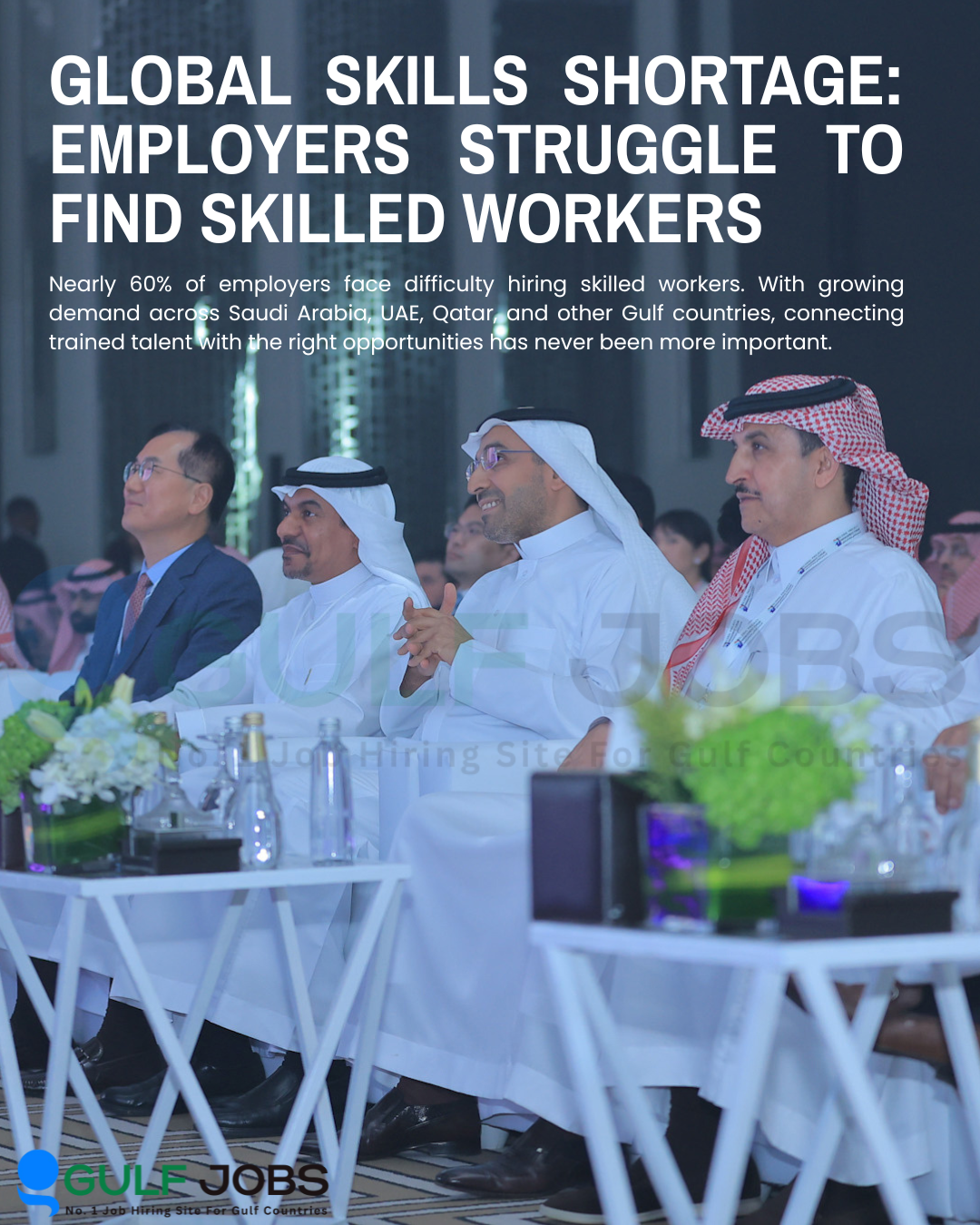
Skill shortages are becoming one of the biggest challenges for businesses worldwide. According to a World Bank official, nearly 60 percent of employers say they are unable to find workers with the right skills and experience, creating a serious barrier to economic growth and job creation.
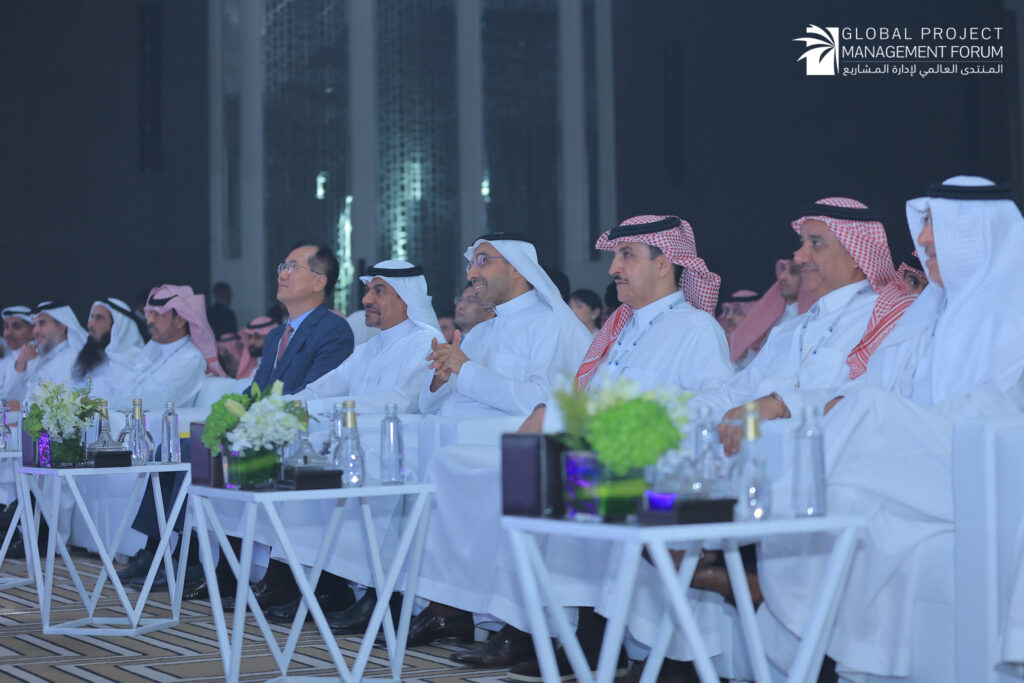
Speaking at the Global Labor Market Conference in Riyadh, Luis Benveniste, Senior Adviser and Acting Global Director for Education and Skills at the World Bank, highlighted how rapidly changing job markets are leaving many workers behind.
Skills Gap Growing in a Changing Labor Market
Benveniste explained that automation, digital transformation, and climate change are reshaping jobs at an unprecedented pace. However, many workers do not have access to proper upskilling or reskilling opportunities, making it difficult for them to adapt.
“People lack opportunities to upskill or reskill in a rapidly changing labor market,” he said, adding that this mismatch between skills and job requirements is a global issue.
A major concern begins early in life. The World Bank estimates that around 70 percent of children in low- and middle-income countries cannot read and understand a simple paragraph by the age of 10. This lack of basic literacy makes it much harder for individuals to develop job-ready skills later on.
“Without strong foundational skills, it becomes extremely difficult to build a successful and sustainable career,” Benveniste noted.
Importance of Early Education and Quality Training
To address this challenge, Benveniste emphasized the need to expand high-quality early childhood education, focusing on nutrition, learning stimulation, and teacher training. Strengthening literacy and numeracy at an early stage plays a critical role in preparing future workers.
He also stressed the importance of close coordination between governments, educational institutions, and employers. Aligning education systems with real labor market needs can help reduce skill mismatches.
Key steps include:
- Private sector involvement in curriculum development
- Better labor market data and forecasting
- Expanded apprenticeships and on-the-job training programs
Results-Based Training and Flexible Learning
Benveniste pointed out that many countries are now adopting results-based financing models, where training institutions are rewarded not just for educating workers, but for ensuring trainees find jobs and remain employed for six to twelve months after completing their programs.
He also highlighted the growing importance of short-cycle training and micro-credentials, allowing workers to gain flexible, stackable skills over time. These programs help individuals re-enter the workforce quickly and move up the career ladder.
To ensure equal access, improved availability of scholarships and training loans is essential, especially for low-income learners.
“There won’t be a jobs revolution without a skills revolution,” Benveniste said, calling for targeted investment in growth sectors such as manufacturing, healthcare, and agribusiness.
Tourism as a Driver of Job Creation
Samer Al-Kharashi, Director of the UN Tourism Regional Office for the Middle East, also spoke at the event, highlighting tourism as a powerful tool for job creation, especially in rural areas.
He noted that 84 percent of the world’s poorest populations live in rural regions, where people are twice as likely to be in informal or vulnerable employment compared to urban areas.
Expanding tourism in rural communities can:
- Create jobs for youth and women
- Support small and medium enterprises
- Encourage entrepreneurship
- Promote sustainable and digital solutions, including AI
“One out of every ten jobs globally is linked to tourism,” Al-Kharashi said, adding that the sector has entered a strong growth phase after recovery.
Global tourism numbers reached 1.52 billion travelers in 2025, reflecting a 4 percent increase from the previous year, signaling strong demand and new employment opportunities.
Role of the Private Sector in Employment Growth
Gulf Job hire emphasized that tourism and employment growth are largely driven by the private sector, while governments act as regulators and facilitators. Proper policies help protect the environment while empowering women and young workers.
Local culture, technology skills, and entrepreneurship were identified as key strengths, particularly in Saudi Arabia, where tourism presents strong opportunities for SMEs and startups.
Supporting Skills Development and Gulf Job Hiring
As skill shortages continue to impact employers worldwide, recruitment agencies play a vital role in bridging the gap between skilled workers and global job markets. Agencies like Sony Manpower actively support workforce development by connecting trained professionals from Pakistan with employers across the Gulf region.
Through structured recruitment processes, skill-matched hiring, and compliance with international labor standards, Sony Manpower contributes to Gulf job hiring in sectors such as construction, healthcare, oil & gas, hospitality, and tourism. By aligning talent with market demand, manpower agencies help support the skills revolution needed for sustainable employment growth.
This blog is published to highlight global labor trends and the growing importance of skilled workforce recruitment for Gulf countries, where demand for qualified professionals continues to rise.